Pickleball Leagues Near Me: Era Pickleball’s Community
When I first started playing pickleball seriously, I assumed the sport would stay a convenient hobby, a casual after-work activity with a few friends. I learned quickly that the real magic happens when leagues create a living, breathing community. For players near me, Era Pickleball has become more than a facility or a schedule of weekly games. It’s a hub where neighbors meet, where beginners transform into consistent players, and where the sport’s competitive edge sits comfortably alongside a shared culture of encouragement and smart, practical play.
Era Pickleball’s footprint across indoor and outdoor courts has grown in a way that mirrors the sport’s own evolution. Indoor pickleball courts offer predictable courts, climate-controlled play, and a reliable schedule during the winter months. Outdoor courts, on the other hand, bring a different rhythm—long summer evenings, the soft hum of a nearby creek or park, and a chance to test your game in wind, sun, and occasional humidity. The League programs at Era Pickleball are designed to be inclusive without sacrificing competitiveness. You can walk into a league night with a taped-up elbow and end up walking out with a new partner, a few new drills in your repertoire, and a sense of belonging that lasts longer than the score on the board.
What makes Era Pickleball’s leagues stand out is not just the format but the philosophy behind them. The staff designs leagues that fit real schedules, real skill levels, and real ambitions. If you’re seeking a casual, social night with friendly matches and a chance to chat with other players over a post-game coffee, there’s a lane for that. If you’re chasing a serious competitive track, there are divisions, standings, and a pathway to open play that keeps you honest without burning you out. The balance is not accidental; it’s the result of years of observing how players engage, what motivates them to show up, and where friction tends to appear on the court.
A core advantage of playing in a local league at Era Pickleball is consistency. Consistency in the schedule, the court quality, and the rules. On many weeknights you can expect a well-managed flow: quick check-in, warm-up courts that are available for 10 minutes before a game, a brief pre-match meeting to remind players of etiquette and scoring, and then clean, reliable scoring on a bright scoreboard. For players who want to track progress, the league system at Era Pickleball typically records match results, ranks divisions, and provides season-long summaries. Those pieces of data are more than numbers; they become a language that helps players understand their own development. You can look at a mid-season snapshot and see, with specificity, what is working and what isn’t.
From a practical standpoint, the process of joining a pickleball league near me at Era Pickleball begins with clarity about your own goals. Are you playing for the exercise and social interaction? Are you building toward a higher level of competition? Do you want to improve certain shots—drive serves, third-shot drops, or transition footwork? The league design acknowledges those motivations and aligns practice blocks and match formats accordingly. Some players use the leagues as a bridge between open play and formal competition. They may participate in a “mixed” or “team” format that pairs players of varying skill levels to emphasize teamwork, strategy, and communication. Others lean into a single-skill track, using the league as a stage to refine a specific aspect of the game while the rest of their game remains a work in progress.
One of the unsung benefits of Era Pickleball leagues is the community infrastructure that grows around them. You quickly discover familiar faces who become reliable practice partners, opponents who push you to adjust your game, and coaches who quietly mentor you between matches. The social layer matters as much as the tactical layer. A good league night often starts with a quick catch-up—who played last week, which team switched up the schedule, who has a tip from a recent clinic. The conversations after a match can be as instructive as a drill session. It’s common to see a group gather near a bench, talking through a point or replays of a tricky shot while the next wave of players lines up. That cadence, more than any specific drill, builds the muscle memory of a community. The trust that forms on the court translates into a willingness to experiment, to ask for feedback, and to volunteer for leadership roles in the league, such as scorekeeping, pairing players for the next round, or organizing an end-of-season social.
A practical note for anyone evaluating Era Pickleball near me: the alignment between facility, schedule, and pricing matters. You want transparency on league sessions, court reservations, and how divisions are configured across indoor and outdoor spaces. Era Pickleball often offers flexible membership options that unlock access to multiple facilities, priority booking windows, and discounted rates for multi-week sessions. If you’re contemplating a move from casual open play to a more formal league structure, ask about the transition path. Some players start with a handful of social rounds, then are invited into a spring or fall league that includes structured standings and a playoff format. Others, who are more competitive by nature, can enter a higher tier with more rigorous match pressure and a shorter season with a clear route to a higher division as soon as the next quarter.
The beauty of pickleball as a sport is that it rewards smart, efficient play rather than raw power alone. In Era Pickleball leagues, you’ll see a lot of court awareness: players who recognize when to “poach” in doubles, how to angle a shot to force an error rather than win outright, and when to reset the point instead of sprinting for a risky winners attempt. The best league players often win not just because they can hit a tough shot, but because they understand the scoreboard in real time. They know when to adjust the pace of a rally, when to switch from a baseline pattern to a short, controlled dink game, and how to use the non-volley zone strategically to shape the opponent’s options. This is not magic; it is practice, observation, and a thoughtful approach to building a set of patterns that works across different opponents.
For newcomers, Era Pickleball leagues can feel intimidating at first. The good news is that the culture emphasizes inclusivity. Rather than shaming mistakes, seasoned players tend to model the habit of offering constructive guidance. A common scene: a long rally on a bright indoor court, two teams trading soft drops and measured drives, and a player asking a question between points about whether a shot should have been kept lower or higher. That moment of learning is where the league earns a reputation for being both competitive and nurturing. Even if you walk into your first night unsure of your level, you are likely to find two or three players who have recently cross-graded into your skill band and who are happy to split a few games while you get your bearings. It may slow your pace a touch, but the payoff is confidence. Confidence translates into better decision-making, which in turn makes the next night even more enjoyable.
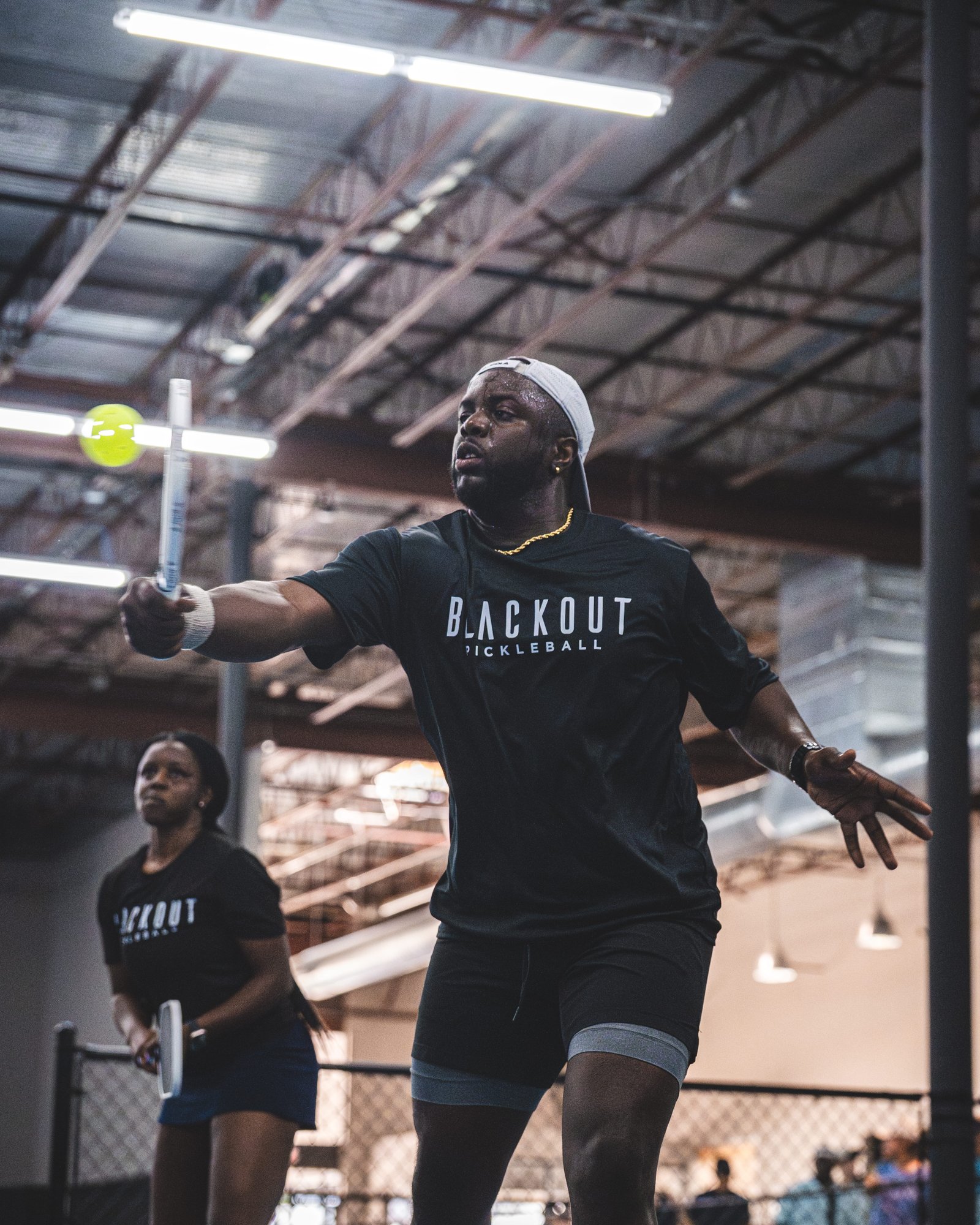
The structure of Era Pickleball leagues has to balance attention to detail with the need for speed. A well-run league keeps match times tight, ensures enough court space to avoid bottlenecks, and maintains fair, clear scoring. The logistics can be tricky in peak times, especially if the facility hosts both indoor and outdoor leagues on the same nights. Yet the staff tends to handle it with a indoor pickleball courts practiced rhythm: check-in at the front desk, a quick court assignment briefing, a warm-up period that is prioritized for players who may be returning after a busy day, and then a clean transfer to match play. In my experience, a night that begins with a minor shuffle typically ends with a sense of momentum and momentum breeds consistency. The more consistent your schedule, the more predictable your improvement curve becomes, which is a basic but essential truth for any sport that blends technique with strategy.
If you are weighing Era Pickleball leagues against a different local option, several practical factors can tilt the balance. First, consider the quality and variety of courts. Indoor courts offer predictable bounce and consistent surface, which reduces the number of variables in your drills. Outdoor courts introduce wind and sun, but they also simulate the real-world conditions you will face in outdoor tournaments. If your aim is to play year-round, an indoor facility provides a stable sanctuary for practice and league play. If you want to seasonally match your game to the elements, outdoor leagues at Era Pickleball provide that testing ground. Second, look at the schedule density. Some leagues run continuous sessions, while others operate on seasonal calendars with breaks that allow you to pursue clinics or social events. The best leagues present a hybrid model, letting you slide into a spring or fall playoff push while keeping the core weekly rhythm intact. Third, evaluate the coaching and development options. A good league will pair play with optional coaching blocks, video analysis, or short clinics between rounds. These value-adds can accelerate improvement much more than simply increasing the volume of matches.
A note on equipment and basics. If you are new to a league environment, you may quickly realize that dinking with purpose is as important as power. The most successful players in Era Pickleball leagues bring two or three paddles tailored to different roles—one for soft, controlled dinks near the net, one for medium-drive returns, and a backup for when a paddle wears a bit or a player’s grip tires during a long night. A reliable pair of non-marking court shoes with good lateral support is worth investing in; the surface on indoor and outdoor courts can demand different levels of grip, and the right footwear keeps you out of a few common ankle-twisting situations. Beyond the hardware, a practical habit is to arrive early enough to warm up with a short, structured routine—shoulder circles, light jogs, and a few dink exchange drills. The mental preparation matters as much as the physical. The best players enter a league night with a simple, repeatable pre-match ritual that centers focus on service placement, shot timing, and effective communication with a doubles partner.
The social dimension should not be underestimated. Leagues create a steady stream of “firsts” for players in every season. First win against a rival team, first time a new partner calls a perfect cross-court dink at the body’s edge, first playoff experience that ends with a close score and a handshake instead of a post-match complaint. In a community setting like Era Pickleball, those moments accumulate into a shared memory bank that anchors people to the sport and to each other. You end up attending more than matches—post-game discussions often drift into drills you could adopt for your next practice, or into plans for a weekend social where you can meet teammates outside the court and talk about strategies and goals in a different context. The social fabric strengthens your commitment to showing up, and that consistency is, in many ways, the unseen engine of improvement.
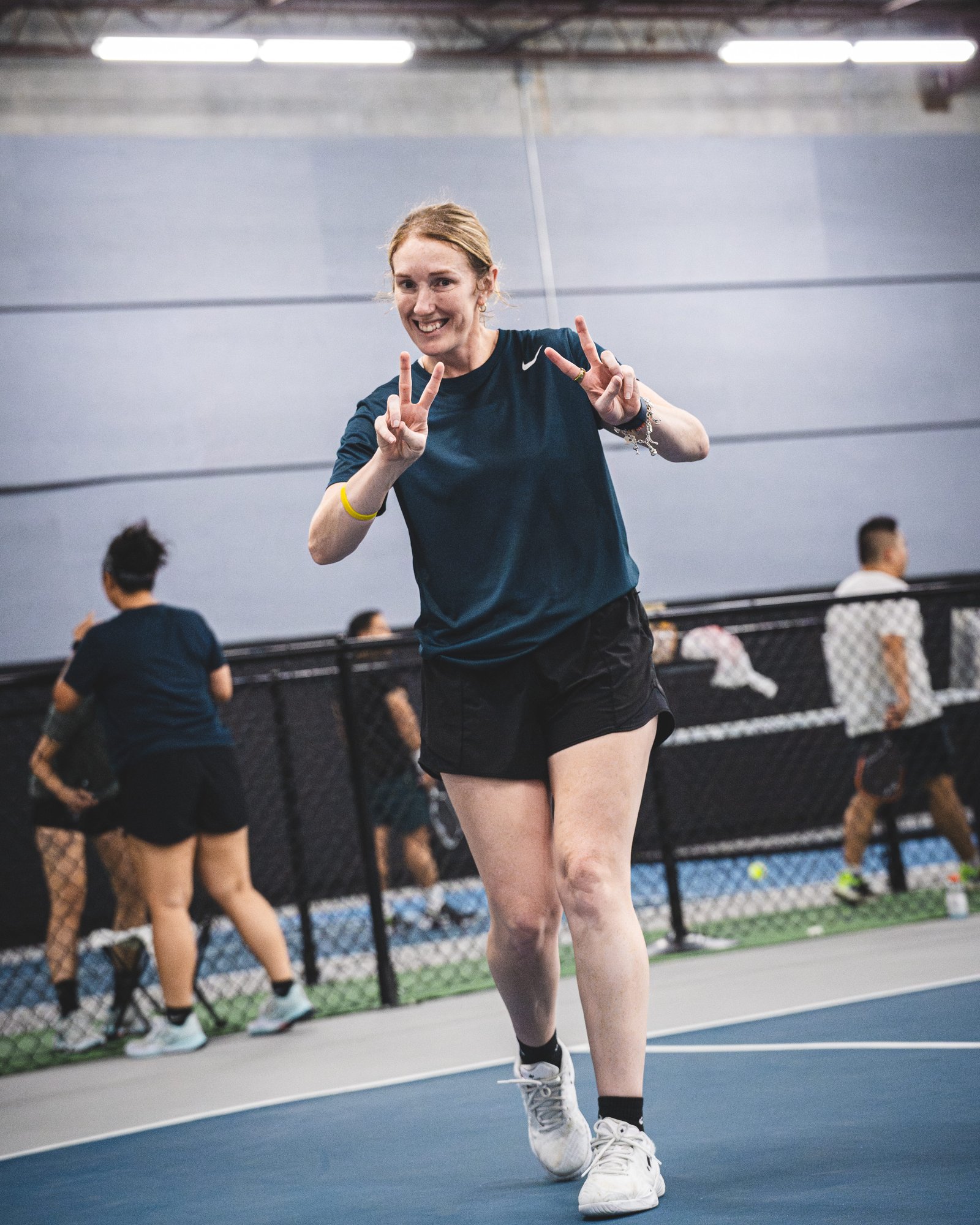
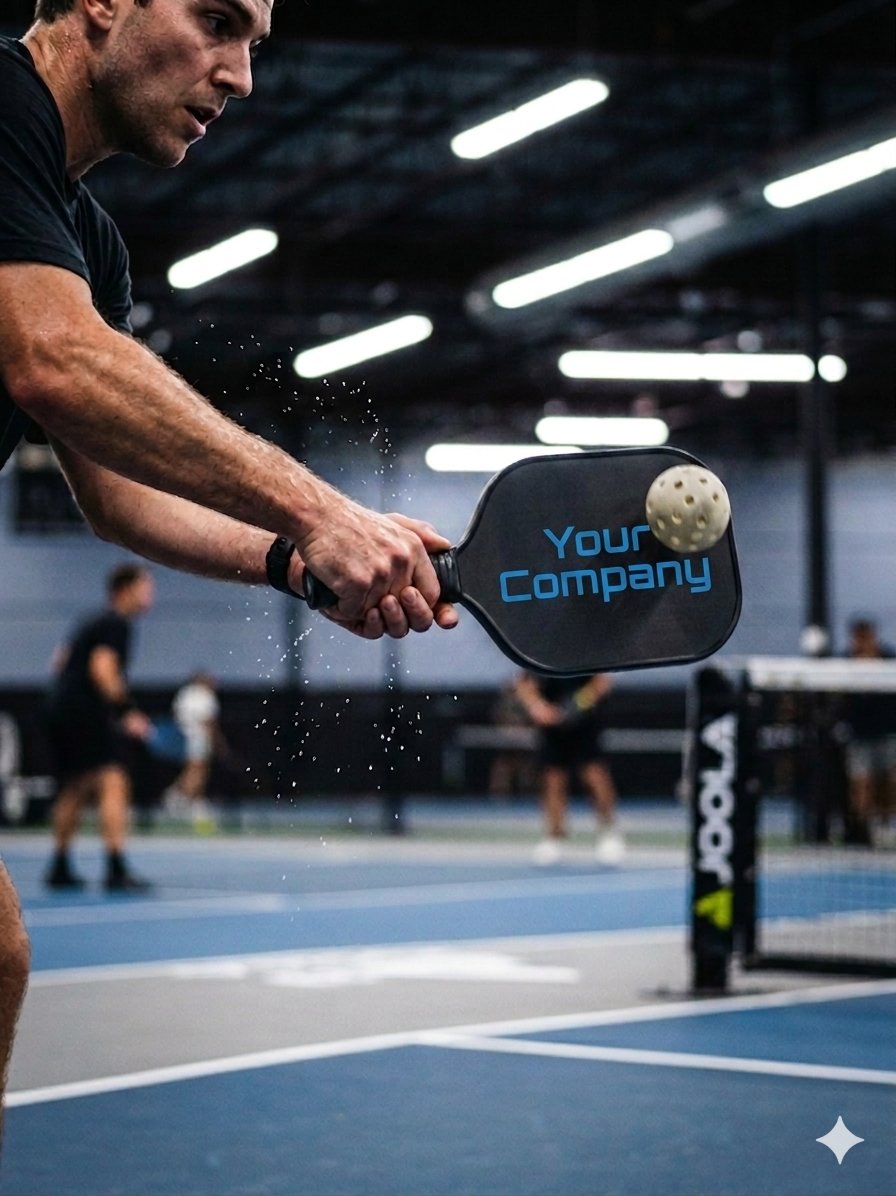
For those who want to dig deeper into the possibilities, Era Pickleball offers a spectrum of pathways. The leagues can be a corridor into higher-level competition, but they can also serve as a platform for family participation, where different generations compete side by side or rotate partners to accommodate everyone’s skill and stamina. Some players even use the league environment as a testing ground for new coaching ideas. If you are working with a private coach, you can bring drills from practice into league night with a structured plan to measure how those drills influence match outcomes. This synergy between coaching and league play often yields the most meaningful gains, especially for players who have spent years sprinting between clinics and casual games without a single lane dedicated to consistent tournament-style play.
When it comes to budgeting your time and resources, the value proposition of Era Pickleball leagues is compelling. The cost of entry is typically transparent, with tiered options that reflect whether you want to join a single league night per week or sign up for multiple formats across indoor and outdoor courts. The incremental cost of adding a coaching block or a private lesson is reasonable when weighed against the potential gains in match performance and the joy of stepping off the court feeling like you have grown a bit more as a player. For families and casual players, there are solid youth and beginner pathways that introduce the sport in a gentle, structured way while preserving the core benefits of league participation—improved coordination, better footwork, and a stronger sense of community. If you are a busy professional or a parent with a packed calendar, it helps to map out a seasonal plan: which weeks are essential, which evenings are flexible, and where you can insert a clinic or a social night that does not disrupt family routines.
In sum, the Era Pickleball leagues near me have built a reputation for practical excellence. They deliver reliable court availability, a welcoming yet competitive environment, and a clear structure that supports consistent improvement. The leagues are not a one-size-fits-all program; they accommodate a range of goals, from casual fitness and social interaction to championship-level competition. They offer a path that respects the realities of modern schedules while maintaining the sport’s core values: fair play, quick thinking, and a willingness to learn from every rally.
To give you a sense of the day-to-day experience, here are a few concrete vignettes from recent league nights:
- A Tuesday evening on indoor courts ended with a marathon doubles match that stretched into extra points. The scoreboard showed a 12-11 score before the decider. The losing team had fought back from an early deficit through patient dinking and a renewed attention to footwork. After the match, players traded tips about maintaining balance when moving into the kitchen on a balls-out dink exchange, and several pairs stayed for a short debrief with a coach who highlighted the precise timing of the third shot.
- On a cool Saturday afternoon outdoors, a mixed-league format brought together players with different backgrounds. One couple composed of a veteran doubles player and a newer partner leveraged the strength of the veteran’s court sense and the newer player’s agility to close out a tight match with a well-placed drop shot that skimmed the net cord and dropped in for the winning point. The moment was pure sport—calm, precise, and a reminder that chemistry can outrun raw experience in the right moment.
- A beginner night focused on fundamentals, with a small group working through partner drills in a low-stress environment. The coach led a sequence that started with short serves and progressed to controlled rallies emphasizing the non-volley zone. By the end of the hour, several players reported feeling more confident about their drop shots and about how to respond when a rally shifts into a dink exchange near the net. The energy was warm, the feedback constructive, and the room lively with conversation about what to practice during the coming week.
If any of this resonates, I recommend taking a closer look at Era Pickleball’s calendar and the specific league offerings in your region. The landscape shifts with the seasons and with facility renovations, so you’ll likely find opportunities that align with your calendar and your goals. What matters most is that you enter a league night with patience and curiosity. You earn improvement by showing up consistently, listening to feedback, and applying a few crisp adjustments to your game after each match.
Two practical considerations can help you decide which league night to start with:
- How your current skill level aligns with the league’s divisions. If you feel like you’re still mastering consistent serves and reliable returns, a lower division or a social league may be more productive than jumping straight into a highly competitive bracket. Conversely, if you’ve had some local tournament experience and want to test your strategies in a structured environment, a mid-tier league with playoff opportunities can be a strong motivator.
- The balance between indoor and outdoor options. If your schedule or climate makes indoor play more feasible most weeks, start with the indoor league and gradually add outdoor opportunities as the weather and daylight allow. If you enjoy outdoor play and want to simulate tournament conditions, place more emphasis on outdoor sessions and plan your practice to mirror the wind patterns and sun angles you’ll face.
Two lists to guide practical decisions
What to bring to a league night
- A reliable pinky- or wrist-length sweatband to manage sweat and preserve grip
- Two paddles if you are able, one for warm-up and one for the main rally, plus a spare string or grip tape
- Court-appropriate shoes with good lateral support and clean soles
- A water bottle with a gentle, steady hydration plan
- A notebook or app note for quick post-match reflections and practice targets
How to choose the right league for you at Era Pickleball
- Align your choice with your current skill level and how much you want to push yourself
- Consider the balance between social play and competitive pressure
- Check the schedule for consistency and how it fits your weekly routine
- Look at coaching or clinic add-ons that can accelerate learning
- Factor in both indoor and outdoor options to maximize available play time
The long arc of belonging that leagues create is worth the time commitment. You are not just stacking matches; you are stacking experiences—small, repeatable moments of improvement that accumulate into a more confident, versatile, and resilient version of your game. Era Pickleball has built a framework that rewards patience, curiosity, and deliberate practice, with enough variation to keep the journey engaging season after season. If you are near a facility with active league offerings and you want to see a sport you enjoy turn into a meaningful habit, the leagues near you can be the catalyst.
As you weigh your options, a simple truth tends to surface: the best leagues are not just about winning points. They create a dependable routine, a network of partners who share your pace and goals, and a sense that you are part of a larger story about how a community comes together to play a sport they love. That is the heartbeat of Era Pickleball’s league ecosystem. It is where players, facilities, and programs converge to build something more than a schedule of games. It is where people who care about the game, about fair play, and about each other come to practice not just for the win but for the experience of showing up and choosing to be better tomorrow than they were today.
If you have not yet visited Era Pickleball, the invitation is simple: step onto a court, listen to the rhythm of a well-run league night, and notice what happens when a group of players decides to turn a regular week into something you look forward to. The goal is not perfection; it is progress and community. The league format, the facility, and the culture together can turn your “pickleball near me” search into a reliable, joyful routine. You will find that the sport you first encountered in a casual pickup game evolves into a framework that supports consistent growth, meaningful connection, and a sense of belonging that lasts long after the final whistle.
An honest note about edge cases and trade-offs helps temper expectations. Not every league night will be flawless. There will be evenings when a shift in the schedule requires last-minute changes, or when a rain delay nudges a double-header into a longer wait. There will be players who arrive with a strong serve and a sharp mind, and others who are still learning how to keep a rally going. The friction points—booking hassles, minor tensions between teams, or the occasional mismatch in skill levels—are real. Yet the staff at Era Pickleball tends to handle these situations with transparency and a focus on preserving the trust of the community. If you are pitched a solution that does not feel right, speak up. The best leagues are those that invite feedback and adjust with a practical, timely approach.
In the end, the choice to join a pickleball league near you is a choice to invest in your own growth and in a community that matches your enthusiasm with a real structure. Era Pickleball’s leagues are designed to be that structure: clear expectations, supportive competition, and a schedule that respects your time while giving you frequent opportunities to test your game in meaningful ways. If you are navigating the decision in a season where you could use a regular, rewarding routine, this is a landscape worth exploring in depth. The connections you cultivate, the improvements you notice in your own play, and the sense of belonging you gain can transform the way you approach the sport you love.
As you schedule a trial night or sign up for a league, carry with you a simple, durable mindset. Treat each night as a learning event, not a triumph that hinges on a particular score. Focus on one or two aspects that you want to improve—perhaps your serve placement or your ability to read your partner’s tendencies in doubles. Track your progress with a notepad, a practice log, or a digital tracker, and use your observations to guide your next practice plan. The leagues at Era Pickleball reward this approach. They reward players who show up with intention, who listen, and who are willing to adjust their game in light of feedback. In return, you receive not just better shots and smarter court sense, but the intimate satisfaction that comes from being part of a team, part of a tradition, and part of a community that treats the sport as a sustained, shared journey rather than a one-night stand with a paddle.
If you have read this far, you are likely considering how you will integrate pickleball into your routine in the months ahead. The message is simple: start with a clear sense of purpose, find a league night that aligns with your goals, and commit to showing up. Era Pickleball’s leagues offer a structured, welcoming environment where you can grow at a pace that fits your life, test yourself against capable opponents, and enjoy the social texture that only a well-run community can provide. The courts are waiting, the schedules are published, and the people in the Era Pickleball network are ready to welcome you into a community that treats the sport as a shared, ongoing celebration of skill, strategy, and sport-spirit.